Electric vehicles are frequently marketed as a way to combat climate change, but detractors contend that when you look at the complete emissions picture, the green promise becomes less certain. The debate is particularly heated in India, where EV adoption is accelerating and coal still accounts for the majority of electricity generation. Sceptics claim that the math underlying electric mobility is more complex than marketing implies, ranging from mining battery materials to charging cars on carbon-heavy grids. Whether electric cars actually have a cleaner impact than many drivers believe is the real question, not whether they reduce pollution at all.
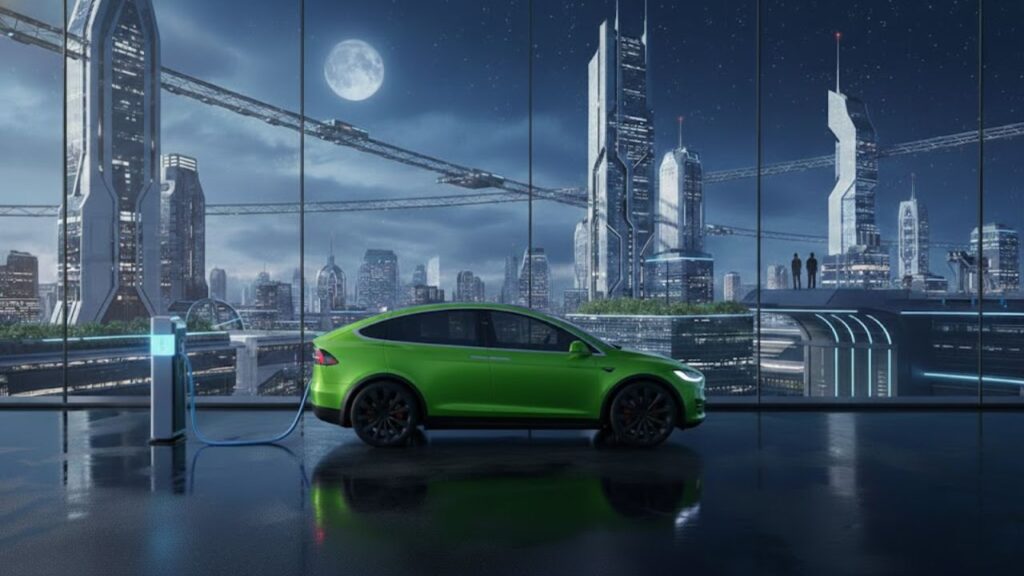
Uncomfortable questions are raised by electric vehicle emissions.
The concept of hidden carbon costs, which manifest long before a car is driven, is the main point of contention for those who oppose electric vehicles. Energy-intensive lithium, cobalt, and nickel mining is necessary for battery production, frequently in areas with lax environmental regulation. This results in front-loaded emissions that are dispersed over years of driving in gasoline-powered vehicles. Transporting raw materials and putting batteries together can contribute to a manufacturing pollution spike in India that consumers hardly ever notice. Proponents argue that EVs eventually make up for this, but detractors point out that, depending on usage and local energy sources, the emissions breakeven point may come much later than predicted.
Why electric cars aren’t always environmentally friendly in India
The way electricity is produced has a significant impact on how clean an electric car is, which is where India has difficulties. Since coal accounts for a significant portion of electricity, charging an EV may require using a grid that uses a lot of coal. As a result, indirect tailpipe emissions are transferred from automobiles to power plants. Urban charging stations might use electricity during peak hours, which is frequently the most polluting energy source. Although renewable capacity is growing, detractors contend that the current mix contributes to a carbon transfer issue, lowering local air pollution while contributing less to global climate goals.

Critics claim that buyers disregard the emissions maths.
Many EV comparisons are based on optimistic assumptions, according to environmental groups. Short ownership cycles, particularly if batteries are changed early, can exacerbate lifecycle emissions totals. There are still few recycling programs for used packs, which increases end-of-life uncertainty and potential hazards. Drivers may rely on diesel backup power in areas with patchy charging infrastructure, subtly undermining emissions gains. The carbon debt of manufacturing is never entirely offset before resale or scrappage due to low annual mileage, which is another issue raised by critics of uneven usage patterns.
Additionally, read “Swallow” cards from ATMs more often than you may think, and note that banks don’t discuss the true cause.
Reevaluating the true meaning of “green”
All of this does not negate the environmental benefits of electric vehicles, but detractors contend that the discussion needs to be more open. Longer vehicle lifespans, improved battery recycling, and clean power alignment are necessary for a genuinely sustainable transition. Without these, EVs run the risk of only serving as a symbolic rather than a practical solution to the climate crisis. Combining electric mobility with the growth of renewable energy sources and more intelligent grids presents an opportunity for India. If not, the change might result in cleaner cities and quieter streets, but it would only partially reduce emissions at the national level.
| Factor: Electric Vehicles | Automobiles that run on petrol |
|---|---|
| Emissions from manufacturing | high because of the batteriesReduced initial effect |
| Operating emissions | Depending on the power sourceContinually high |
| Source of energy | Fossil fuels and grid electricity |
| Air pollution in the area | Extremely low high |
| Impact at the end of life | Problems with battery recyclingTraditional scrap |
FAQs, or frequently asked questions
1. Are electric vehicles more harmful to the environment than gasoline-powered vehicles?
No, but the sources and usage patterns of electricity have a significant impact on their advantages.
See also Raw Milk Trend Splits Physicians and Health Fans as Safety Concerns Increase

As safety warnings grow louder, the raw milk trend divides doctors and health enthusiasts.
2. What is the significance of battery production?
because it produces significant emissions up front that require years of driving to compensate for.
3. Are EV emissions impacted by India’s power mix?
Indeed, the climate benefit of EVs is greatly diminished by coal-based electricity.
See also Bid Farewell to Power Bill Relief: Beginning in early February 2026, households will pay more for energy.
Farewell to Power Bill Relief: Beginning in early February 2026, households will have to pay more for energy.
4. Will electric vehicles ever be genuinely environmentally friendly?
They can if combined with longer vehicle use, improved recycling, and cleaner grids.