Dry, cracked heels are a very common skin problem, especially in India where walking barefoot, dusty roads, and changing weather conditions often damage the skin on our feet. Many people ignore heel care until pain or deep cracks appear. The good news is you don’t always need expensive creams or salon treatments. With simple kitchen ingredients available at home, you can soften rough skin and heal cracks naturally. This guide explains an easy and practical routine you can follow regularly to restore smooth, healthy heels without complicated procedures.
Home Remedies for Dry Cracked Heels with Kitchen Ingredients
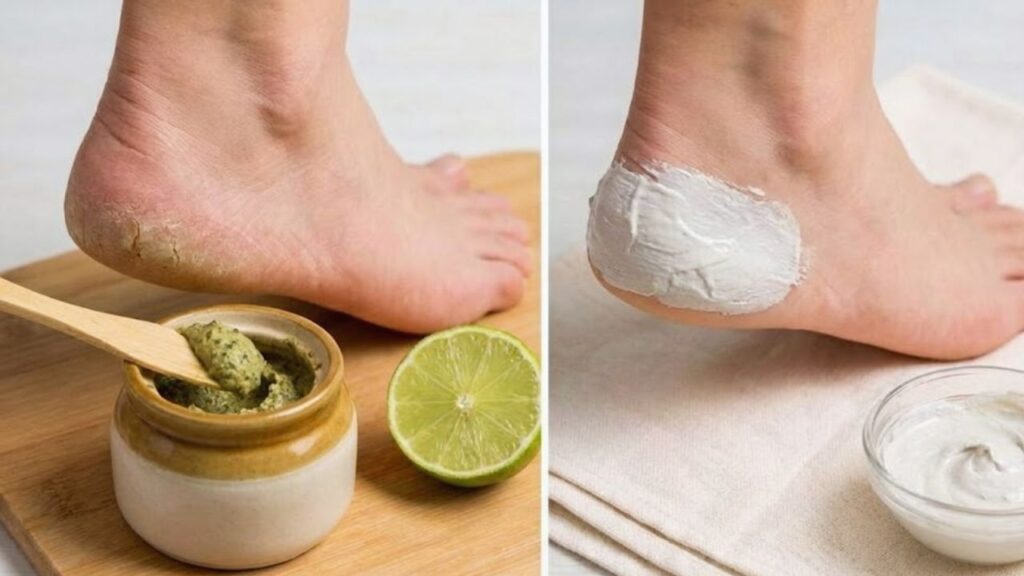
Most households already have ingredients that can repair damaged heels effectively. Honey works as a natural moisturizer, while rice flour helps gently scrub dead skin. Mix honey, rice flour, and a few drops of lemon juice to create a soothing paste. Apply it after soaking your feet in warm water for 10 minutes. This simple remedy supports natural skin repair and improves deep crack healing. The mild acidity of lemon also assists dead skin removal. If used twice a week, it gradually restores soft heel texture and prevents further dryness without harsh chemicals.
Best Overnight Treatment for Cracked Heels at Home
Nighttime is perfect for intensive heel care because your feet stay relaxed for hours. Apply a mixture of coconut oil and glycerin before bed and wear cotton socks. Coconut oil penetrates deeply, providing overnight moisturising care, while glycerin locks hydration inside the skin. This combination strengthens the heel surface and supports foot skin hydration. With consistent use, you’ll notice visible crack reduction and less irritation. For better results, wash your feet first using lukewarm water and mild soap; clean skin absorbs oils more effectively and helps long lasting softness develop.

Simple Daily Routine to Prevent Heel Cracks Naturally
Prevention is easier than treatment. After bathing, gently scrub your heels with a pumice stone for a minute to avoid hard layers forming. Then apply a thin layer of oil or petroleum jelly. This routine improves daily foot care and protects against heel dryness prevention. Also avoid walking barefoot on rough surfaces and choose cushioned footwear for comfortable heel support. Drinking enough water contributes to healthy skin barrier and keeps the skin flexible. Following these small habits consistently can stop cracks from returning and maintain smooth heels year-round.
Why Natural Kitchen Remedies Work So Well
Kitchen ingredients help because they combine exfoliation and hydration in a gentle way. Chemical creams sometimes soften the top layer only, but natural oils nourish deeper layers of the skin. Regular soaking removes hardened buildup while oils seal moisture. This balanced approach offers safe home treatment and supports skin healing process without irritation. Since ingredients are mild, they are suitable for most people and reduce painful heel splitting. Consistency is the real secret—simple routines practiced weekly deliver effective long results that expensive treatments often fail to maintain.
| Ingredient | Main Benefit | How Often to Use |
|---|---|---|
| Honey | Moisturizes and heals cracks | 2–3 times weekly |
| Rice Flour | Removes dead skin | Twice weekly |
| Coconut Oil | Deep nourishment | Daily at night |
| Glycerin | Locks moisture | Daily at night |
| Lemon Juice | Softens rough skin | Once weekly |
Frequently Asked Questions (FAQs)
1. How long does it take to heal cracked heels?
With regular care, mild cracks improve within 7–10 days.

2. Can I use these remedies every day?
Yes, moisturizing oils can be used daily but scrubs should be limited to 2–3 times weekly.
3. Are cracked heels a sign of a health issue?
Usually no, but severe or bleeding cracks may need medical advice.
4. Do I need expensive creams for heel repair?
No, consistent home remedies and proper hydration are often enough.