The plank is one of the simplest yet most powerful bodyweight exercises you can do anywhere, whether at home, in a gym, or even in a park across India. Many people know it strengthens the core, but the real question is: how long should you actually hold a plank? Holding it too briefly gives limited results, while pushing too long can strain muscles. The ideal plank hold timing depends on age, strength level, and fitness goals. Understanding the right duration helps you build endurance, improve posture, and protect your back without overtraining.
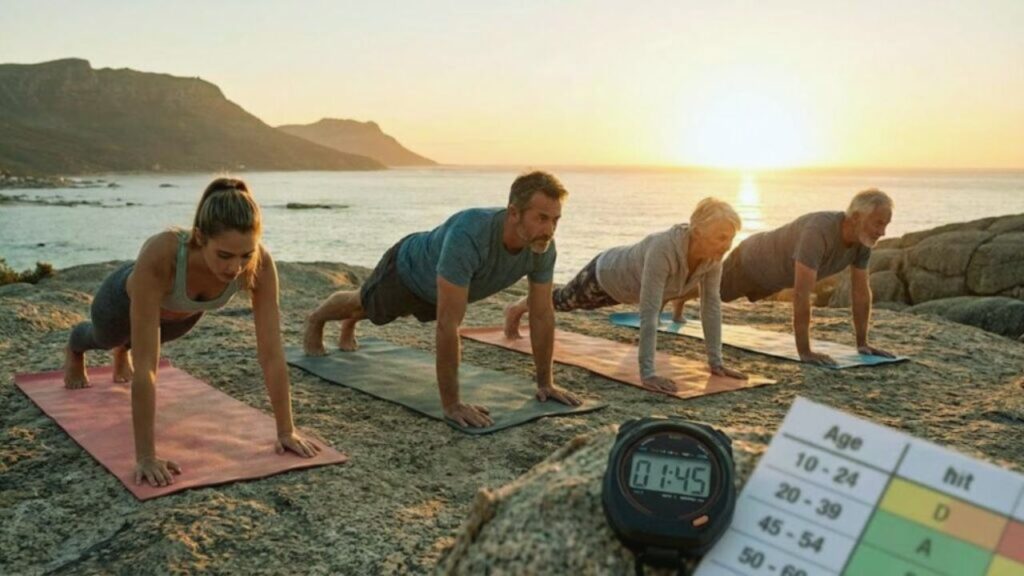
Ideal Plank Hold Time by Age Group
Your age plays a big role in deciding how long you should hold a plank. Teenagers and people in their twenties usually have stronger muscle recovery, so they can safely aim for longer durations. Adults in their thirties and forties should focus on consistency rather than pushing extreme timing. Seniors should prioritize proper form and comfort over competition. A smart approach is building a steady core strength through gradual increases. Start with 20–30 seconds and slowly extend duration weekly. Always maintain neutral spine posture and breathe normally to avoid tension. The goal is a safe progression plan, not a painful challenge.
Correct Plank Duration for Maximum Core Benefits
Many beginners assume longer planks mean better results, but quality matters more than time. A perfectly aligned 40-second plank is far more effective than a shaky two-minute hold. Focus on activating your abdomen and glutes together. This creates deep abdominal activation and supports the lower back. Keep your shoulders stacked and avoid dropping hips to prevent injury. Practicing a controlled breathing rhythm helps muscles work efficiently and reduces fatigue. Experts recommend multiple sets instead of one long attempt for better muscle endurance. Over time, you’ll notice improved stability and lower back support during daily activities.

Weekly Plank Training Routine and Progression Tips
Instead of testing your limits daily, follow a structured weekly plan. Perform planks three to five times per week with rest days in between. Start small and increase by 5–10 seconds every week. This method improves stamina without overloading joints. Add side planks and knee planks to activate supporting muscles and prevent plateaus. A balanced routine encourages gradual time increase and avoids burnout. Pair it with full body workouts for faster results. Maintaining consistent workout schedule helps your body adapt naturally, while proper warm-ups reduce muscle fatigue risk.
Understanding the Best Plank Timing Strategy
The real success of planking isn’t about breaking records; it’s about sustainability. Fitness trainers often say once you can comfortably hold a plank for 90 seconds with perfect form, you should add variations instead of extending time. Long holds beyond a few minutes offer minimal extra benefit and may strain the shoulders. Aim for balanced core development rather than endurance alone. Combine planks with stretching for posture improvement daily and improved mobility. The best strategy is a personal fitness approach that suits your lifestyle and ensures long term consistency.
| Age Group | Recommended Hold Time | Sets per Session | Frequency per Week |
|---|---|---|---|
| 13–19 years | 30–60 seconds | 3–4 sets | 4–5 days |
| 20–35 years | 45–90 seconds | 3–5 sets | 4–5 days |
| 36–50 years | 30–60 seconds | 3–4 sets | 3–4 days |
| 51–65 years | 20–40 seconds | 2–3 sets | 3 days |
| 65+ years | 10–25 seconds | 2–3 sets | 2–3 days |
Frequently Asked Questions (FAQs)
1. How long should a beginner hold a plank?
Beginners should start with about 20–30 seconds and increase gradually each week.

2. Is a 2-minute plank good?
Yes, a 2-minute plank is excellent if you maintain proper form without back strain.
3. Can planks reduce belly fat?
Planks strengthen core muscles and help fat loss when combined with diet and cardio.
4. Should I do planks every day?
It’s better to do them 3–5 times weekly to allow muscle recovery and avoid overtraining.