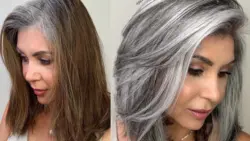
More and more people are moving away from chemical-heavy dyes and trying gentler, plant-based ones instead. This is changing how grey hair is covered. People of all ages in the US are once again interested in natural methods that promise subtle, healthier-looking results. Many people now prefer solutions that support scalp health and gently blend greys instead of going for dramatic colour changes. This change is part of a larger beauty trend that focuses on long-term hair health, clear ingredients, and routines that are easy to fit into daily life.
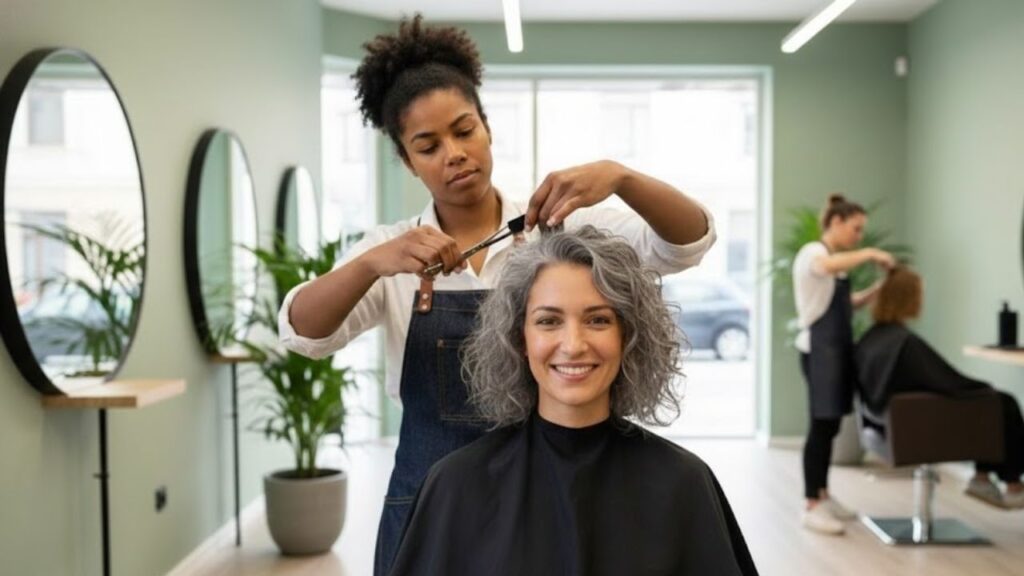
How to Cover Up Natural Grey Hair That Changes Your Beauty Routine
People today are turning to plant-based colour solutions that use plant-based ingredients instead of harsh chemicals. Henna, indigo, and herbal rinses are becoming more popular because they are chemical-free and still blend grey hair well. Many people say that scalp-friendly treatments that nourish and colour their hair make it shinier and softer. This method helps keep hair healthy in the long run, which is good for people who are worried about damage from repeated dyeing. These methods don’t completely hide grey hair; instead, they bring out natural tones, which gives the hair more depth and makes the transition between the original colour and the silver strands look softer.
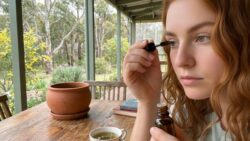
Trends in covering grey hair show that herbal and do-it-yourself options are becoming more popular. People who like to do things at home are trying out “herbal hair masks” and recipes that use things from the kitchen to slowly darken their hair. Coffee rinses, black tea soaks, and amla powders are some of the things that are often used to make gradual colour blending without harsh lines. People are moving toward DIY hair care because they want things to be cheap and clear. Social media sites have made the movement bigger by showing off “non-toxic beauty trends” that encourage people to try new things and make them their own. Results may be different for everyone, but a lot of people like how these natural methods give them control and freedom.
Why Grey Hair Coverage Is Moving Toward Safer Solutions Health awareness is a big reason why people are moving toward low-chemical formulas that don’t irritate the skin. Traditional dyes can sometimes make hair dry or sensitive, which is why people are interested in “gentle colouring methods” that are good for both the scalp and the strands. People are also putting “eco-conscious choices” at the top of their lists. They want products with biodegradable packaging and ingredients that were sourced in a way that is fair. Not only does it look good, but it also has a “healthy shine retention” that many people find easier to keep up with milder treatments. Overall, the focus has grown to include more than just colour; it now includes the health of the hair as a whole.
The Future of Grey Hair Coverage in a Natural Era
The demand for cleaner beauty products suggests that “natural pigment infusions” will continue to grow in popularity in the future. To make their products last longer and have more colours without sacrificing safety, brands are putting money into “botanical innovation research.” More and more, people want beauty habits that are good for the environment and their own health. As more people learn about them, holistic hair routines that include nutrition, scalp care, and gentle colour application may become the norm. The talk about grey coverage is no longer about hiding age; it’s about making healthier, more thoughtful choices.
Method, Main Ingredient, Coverage Level, and Maintenance Frequency are all listed in the table below.Every 4–6 Weeks Full Dark Coverage Every 4 Weeks

Questions That Are Often Asked (FAQs)
1. Are natural ways to cover up grey hair permanent?
Most natural methods give you results that last for a while but then fade away.
2. Do herbal remedies hurt hair?
Herbal dyes are usually less harsh and damaging than chemical dyes.
3. How long does it take for natural grey blending to work?
After a few consistent uses, changes that can be seen often happen.
4. Can natural methods completely cover stubborn greys?
If used correctly, some options like henna and indigo can give you good coverage.