People in the United States are talking about how being a mother is a woman’s “highest calling” again. This time, it’s more about praise than pressure. But underneath the praise is a complicated argument about equality, choice, and what society expects of people. Respect for parenting is important, but putting motherhood above all other paths can quietly limit women’s freedom, shape policy in subtle ways, and reinforce outdated gender roles. This story could undo decades of progress by changing how we see women’s worth through a single lens in a country that is still dealing with wage gaps, caregiving burdens, and reproductive rights.
How Stories About the “Highest Calling” Affect Gender Equality
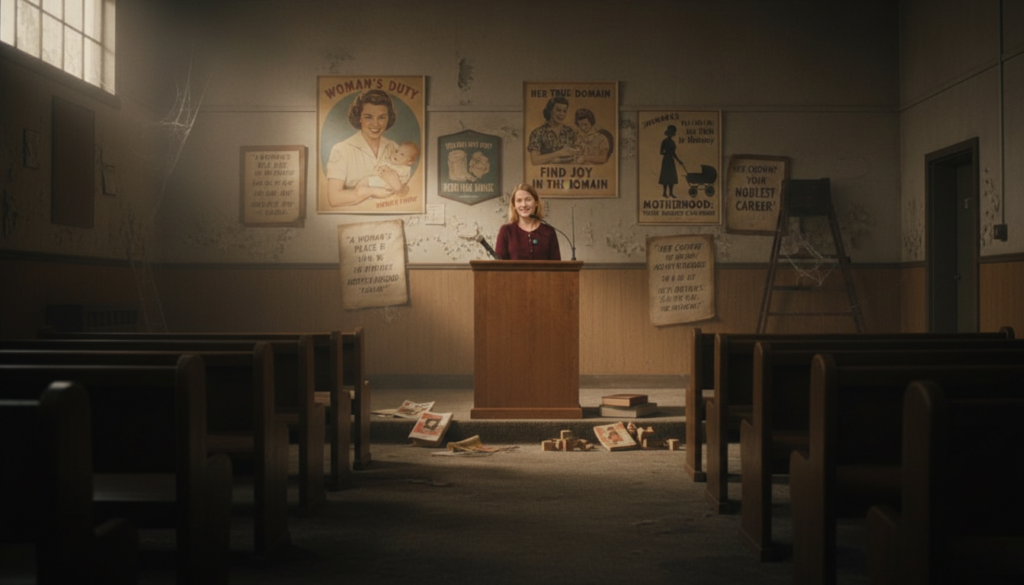
It may sound good to say that being a mother is a woman’s highest calling, but it often limits how society sees women’s contributions. When this idea is in charge, careers, creativity, and leadership can seem less important, which can lead to different expectations for men and women. In the workplace, it can make things worse for mothers who are trying to get ahead in their careers while letting men off the hook for being less involved in caregiving. It puts pressure on women to act a certain way socially, which is unfair to those who choose different paths. As time goes on, these messages make limited options seem normal and subtly excuse policies that don’t help with childcare, paid leave, or flexible work. Equality means knowing that being a mother is important, but not the only thing that matters.
The Influence of Motherhood Ideals on Women’s Decisions
When being a mother is seen as fate, it becomes harder to make choices for yourself. Women may feel pressured to become parents even if they aren’t ready, have the money, or want to, which can make them feel guilty when they don’t meet expectations. People who put off or skip out on something can be looked down upon by others, even in progressive communities. This story also ignores the fact that rising childcare costs and unstable jobs affect decisions more than ideals do. By romanticising sacrifice, society may overlook individual autonomy, complicating women’s ability to articulate success on their own terms.

Putting more emphasis on motherhood than on shared parenting can bring back traditional roles. Women are subtly given the main job of taking care of the house, while men are praised for not doing much, which makes the work at home uneven. This imbalance leads to policy gaps, where help for carers is seen as a women’s issue instead of a problem for everyone. It can also change culture by making caregiving burnout seem like a personal failure instead of a problem with the system. To really respect care work, you can’t limit it to one gender or women’s bigger goals.
Reconsidering Respect Without Going Backward
There is no need for respecting motherhood and promoting equality to be at odds with each other. The hard part is honouring parenting while also making sure that all women have the same rights and freedoms. A healthier way to think about caregiving is to see it as important work that needs support, and to remember that happiness can come in many forms. By emphasising shared responsibility and inclusive policies, societies can respect families without imposing roles. In the end, progress depends on hearing about the different experiences of women and making sure that praise never turns into pressure or a way to go back to inequality.
| Part | Traditional View: Focused on | Equality |
|---|---|---|
| The Role of Women | Main carers | Many different paths in life |
| The Role of Men | Secondary helpers | Parenting together |
| Impact on the workplace | Penalties for being a mother | Policies that are flexible and open to everyone |
| Value to Society | One perfect | Different contributions |
Commonly Asked Questions (FAQs)
1. Is it anti-feminist to value being a mother?
No, it only becomes a problem when it limits women’s choices or tells them how much they are worth.

2. Can society help mothers without making stereotypes stronger?
Yes, by encouraging shared caregiving and family policies that don’t favour one gender over another.
3. Why is this debate important right now?
Because cultural stories shape laws, workplaces, and what people expect in everyday life.
4. What does a more balanced message look like?
Celebrate being a parent while also making it clear that women can find happiness in many different ways.