It’s clear that people are excited on social media. Parents record themselves pouring ingredients into sleek multi-cookers pressing one button, and leaving to help with homework. No guessing, no fear of making a mistake, and no panicking while turning the knob. Recipes run on software, pressure is kept under control, and dinner ends without any drama. The time of pressure cooking isn’t over; it’s just being replaced by something more calm and planned.
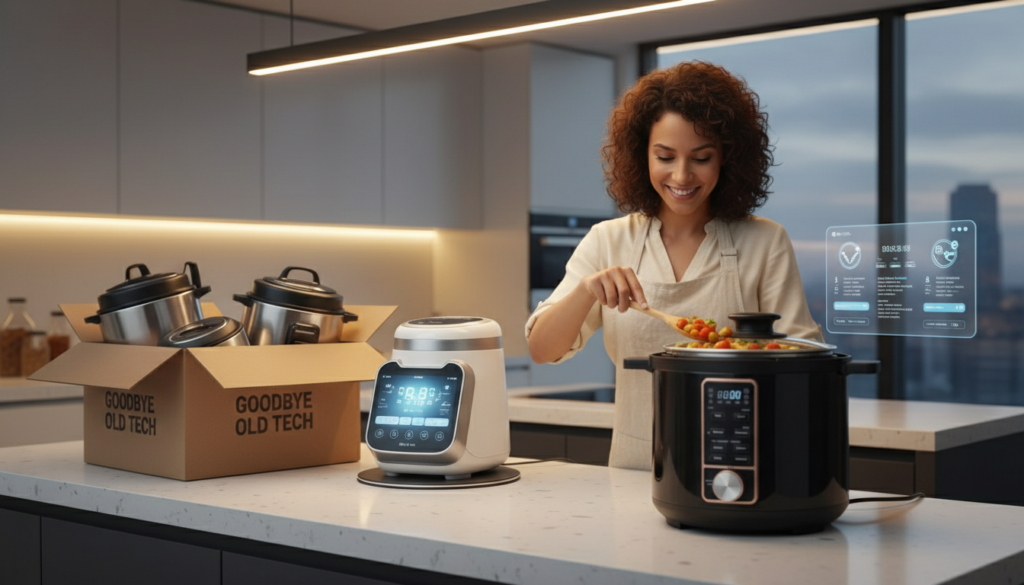
From stress in the kitchen to calm confidence
Imagine a normal Tuesday night: kids running around the kitchen, emails still coming in, and dinner just getting started. The old pressure cooker made everything go quickly—chopping quickly, locking the lid, and hovering nervously in case the whistle got out of control. Now, a lot of homes do something that seems almost crazy in its simplicity. They open a smart cooker, add the ingredients that have already been prepared, tap “Beef Stew—35 minutes,” and leave.
Why do people want to sell their Thermomix?
The change in feelings is very clear. There used to be tension, but now there is trust in a machine that doesn’t shout but quietly does maths. They handle heat, pressure, and timing with steady confidence, and that calm spreads through the room. In a lot of homes, the loudest part of cooking is the talking, not the panicking at the stove. This isn’t just a new gadget; it’s a change in how cooking feels.
 Simple Morning Hydration Routine That Enhances Skin Glow and Sustains Energy Throughout the Day
This change is backed up by sales data. Retail analysts in the US and Europe say that demand for traditional stovetop pressure cookers is going down, but demand for multi-cookers and smart pots is going up. People don’t ask which pressure cooker to buy anymore. They want to know which model works with their phone or has settings for beans, yoghurt, or biryani.
The same story is told in online videos. A dad in London cooks lentils while on video calls and is happy that his dal never sticks. A grandmother in Mumbai uses a connected cooker that sends her a message when the khichdi is done. She jokes that the pot knows the recipe better than her son. People are slowly getting rid of the fear of getting the wrong amount of pressure or burning food.
Why smart cookers are safer and more useful
There is a very practical appeal beneath the shiny surfaces and app controls. Smart cookers today evenly spread heat, let off steam in controlled stages, and turn off power automatically when cooking is done. You don’t have to stand by the washbasin with cold water and guess if steam is escaping too quickly. Sensors check the temperature and pressure hundreds of times a minute, doing what most home cooks could never do. Soyons honnêtes personne ne fait vraiment ça tous les jours avec une cocotte sur le gaz.
How automation is changing the way families eat every day
It’s not just speed that makes the real change. It’s how these gadgets take away a whole mental layer from cooking. You don’t have to remember how long it takes to cook chickpeas under pressure or how many whistles a recipe calls for. You pick a preset, and the cooker changes the heat and time based on what’s really going on inside.
Because of this, meals that were only for the weekends can now be eaten on weeknights. Pulled pork in less than an hour. Risotto that doesn’t need to be stirred all the time. Dried beans that were cooked from scratch that same night. A lot of parents say that without this level of automation, they would eat frozen food or takeaway much more often. The smart cooker doesn’t make anyone a great cook. It just makes the difference between wanting to cook and having the energy to do it smaller.
That moment still happens: you get home tired and look at the ingredients, which seem more like a problem than a plan. The way some cookers respond is new. Along with recipe apps, they suggest one-pot meals based on what you have on hand and come with a cooking program. The machine knows when to build pressure, when to simmer, and when to keep food warm without drying it out with just one tap.
This change is big for families who have to deal with school runs, commutes, and late meetings. Dinner stops being a big project that takes up the whole evening and becomes more like loading the dishwasher. The emotional payoff is important: less guilt, less anger, and more trust in the kitchen. Smart cookers are often the most democratic appliance in the house because teenagers, grandparents, and parents who are busy can all use them.
Trust, safety, and leaving the room
There is also a safety story that most people believe, even if they don’t say it. Family stories about early pressure cookers still include worn gaskets, forced lids, and burns. Modern smart cookers deal with that worry head-on by having layers of locks, vents, and software protections that don’t depend on the user paying attention all the time.
Most models won’t work unless the lid is closed all the way. Power turns off automatically if the internal temperatures rise too quickly. Steam is vented away from hands and faces. Some units will even let you know if something is wrong. What sounds like marketing language becomes real: people feel safe leaving the kitchen. The appliance doesn’t need to be watched all the time anymore.

Using a smart cooker with confidence, not perfectly
If you’re switching from a regular pressure cooker, the best first step is easy. Begin with foods you know, like chilli, soup, or a simple curry. Use the presets, and then change the timing a little the next time. Confidence grows as you slowly get used to the machine and your taste.
A little habit can help: write down the settings when a dish works well. A quick picture and a note that says “Chickpea curry—18 minutes, natural release” can help you avoid having to guess in the future. A lot of people make a personal playbook in just a few weeks that makes crazy nights easier to handle.
Basic organization also matters. Having a trivet, a long spoon, and spices you use often close by saves time during each session. Cold water speeds up the buildup of pressure, while warm stock deepens the flavour. Putting the right layers of ingredients on top of each other—aromatics first, liquids next, and proteins last—helps keep them from sticking.
Overfilling the pot, skipping the minimum amount of liquid, or thinking that every recipe doesn’t need any attention are all common mistakes that aren’t very serious. The frustration that comes from this often sounds like blaming yourself, but it’s not. These machines are smart, but they can’t read minds. They still need clear instructions to do their jobs well.
Another quiet trap is comparing. When you see perfect pictures of food online, real meals can seem less than perfect. No, they aren’t. The most important thing is that dinner is eaten, enjoyed, and shared. The mood at the table is a better sign than any picture.
One nurse and mother of two said that the real benefit isn’t the app, but being able to trust that dinner will be ready when she gets home from work. That feeling sums up what a lot of users think: these cookers not only save time, but they also change how that time feels.
What this quiet goodbye really means
Changing from a loud metal pot to a quiet, glowing cooker is more than just a change in tools. It’s a new way to think about how you feel about food. The music changes from panic and guesswork to soft beeps and clear messages. It may not be as dramatic, but it’s much more humane.
A machine controlling pressure doesn’t make food healthier by itself. The distance between “I should cook” and “I will cook” does change. That space is where real life happens, shaped by fatigue and stress. For many households, smart cookers simply make good food easier to fit into that reality.
There is also a ripple effect across generations. Kids who grow up with programmable cookers won’t be afraid of steam or think that only one person knows when to cook. You can share, change, and get to know recipes. Stories about old pressure cookers start to sound like stories from a different time.
7 Common Phrases That Show Very High Emotional Intelligence
Maybe that’s the real goodbye—not to pressure cooking itself, but to the idea that cooking requires constant attention and nerve. Families are choosing tools that leave space for conversation, homework, or rest while dinner finishes quietly in the background. The hiss is fading, and the future of family meals hums more softly than expected.
Why readers are paying attention
- Built-in safety systems remove long-standing fears by using locking lids, shielded vents, and automatic pressure control that prevents common accidents.
- Time-saving presets handle rice, beans, stews, yogurt, and more, delivering consistent results without constant monitoring.
- Energy and cost efficiency come from sealed cooking and reduced oven use, helping families save on power and takeaway over time.