The Spot the Difference Challenge is a fun way to improve your observation skills. where brain games and printable puzzles are very popular. This activity makes you look closely at two pictures that are almost the same and find small differences, whether you do it online or on paper. It might seem easy at first, but the real test is whether or not you can see small changes in the picture. Let’s look at how this challenge helps you stay focused, improves your visual memory, and keeps your mind busy.
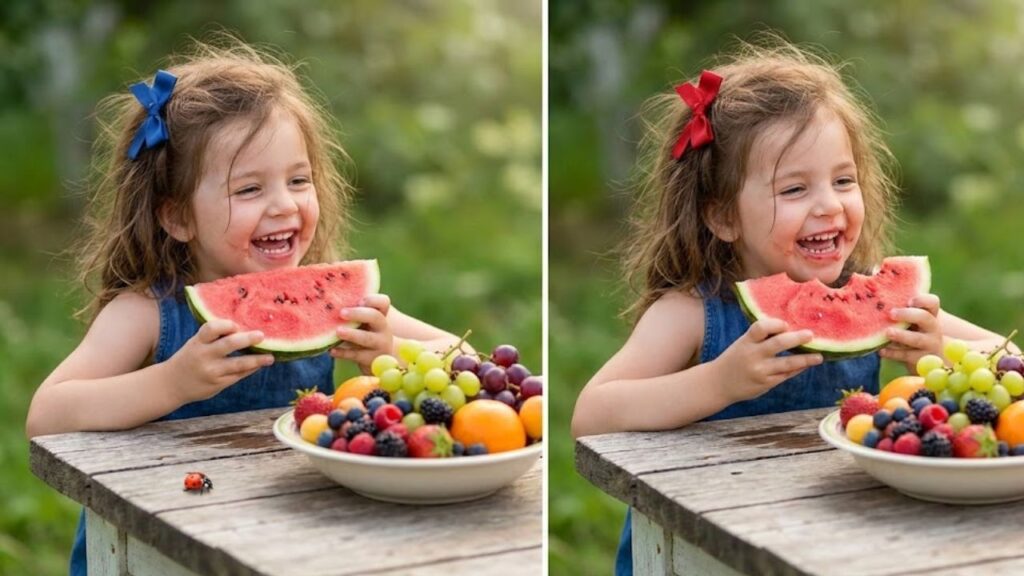
How the Spot the Difference Challenge Helps You Improve Your Observation Skills
Your brain goes into active comparison mode right away when you try a Spot the Difference Challenge. You start looking for small changes in the way things look, like colors that have changed, things that are missing, or shapes that have moved. This repeated scanning helps you get better at recognizing patterns and teaches your brain to pay attention to specifics instead of general ideas. Consistent practice over time improves your visual attention span, which helps you notice things faster in everyday life. It may seem like a simple puzzle, but it’s really a structured way to help your eyes and brain work together better.
Spot the Difference Puzzles: Find 3 Small Differences
Finding three small differences in a short amount of time is when the real fun starts. Your brain does focused visual scanning, carefully comparing lines, textures, and positions. Differences are often hidden in small design details that are easy to miss at first. This challenge makes your brain sharper by making you slow down and think things through. You can improve your ability to focus your mind by practicing regularly. This can help you in school, at work, and even when you have to make decisions every day. The more subtle the differences, the more satisfying it is to find them.

Why Spot the Difference Challenges Are Good for Your Brain
Spot the Difference challenges are not only fun, but they are also good for your brain. You can improve your short-term memory and your ability to remember small details by constantly comparing images. You also get better at logical thinking when you do these puzzles because you have to get rid of identical parts in a systematic way to find changes. They also help your brain process images faster, which makes it easier for your brain to understand what you see. This activity is both fun and good for your brain because it requires you to focus, remember things, and think logically.
In conclusion and summary
The Spot the Difference Challenge may seem like a simple game, but it can help your brain in important ways. You can improve your problem-solving skills and learn to think more about details by practicing regularly. The activity encourages you to use systematic observation methods, which can help you avoid making careless mistakes in other parts of your life. Most importantly, it keeps your mind active without making you feel overwhelmed or stressed. This classic puzzle is still a great way to improve your observation skills and test your attention to detail, whether you play it by yourself or with friends.
| Feature | Benefit |
|---|---|
| Looking at pictures side by side | Makes you pay more attention to details |
| Play for a limited time | Increases speed of reaction |
| Finding 3 Differences | Improves focus |
| Practice often | Helps you remember things better |
| Small Changes | Improves visual accuracy |
Questions that are asked a lot (FAQs)
1. What is a challenge to find the differences?
You have to look at two pictures that are very similar and find the small differences between them.
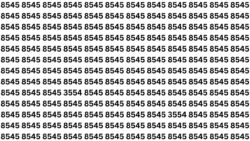
2. How many differences do you usually find?
Depending on how hard the puzzle is, most of them have 3 to 10 small differences.
3. Is it possible for this challenge to make your brain work better?
Yes, with regular practice, it improves memory, attention, and visual processing skills.
4. Is it good for kids and adults?
Yes, it is a fun and good thing for people of all ages to do.