Winter can be a tough season for poultry owners, especially in regions where temperatures drop drastically for extended periods. Cold weather brings risks far beyond mild discomfort for hens. Without proper preparations, your flock can suffer from stress, illness, and reduced egg production. Understanding their specific needs during these colder months allows you to take proactive steps before issues arise. With proper care, your hens can remain healthy, productive, and comfortable even in the harshest winter conditions.
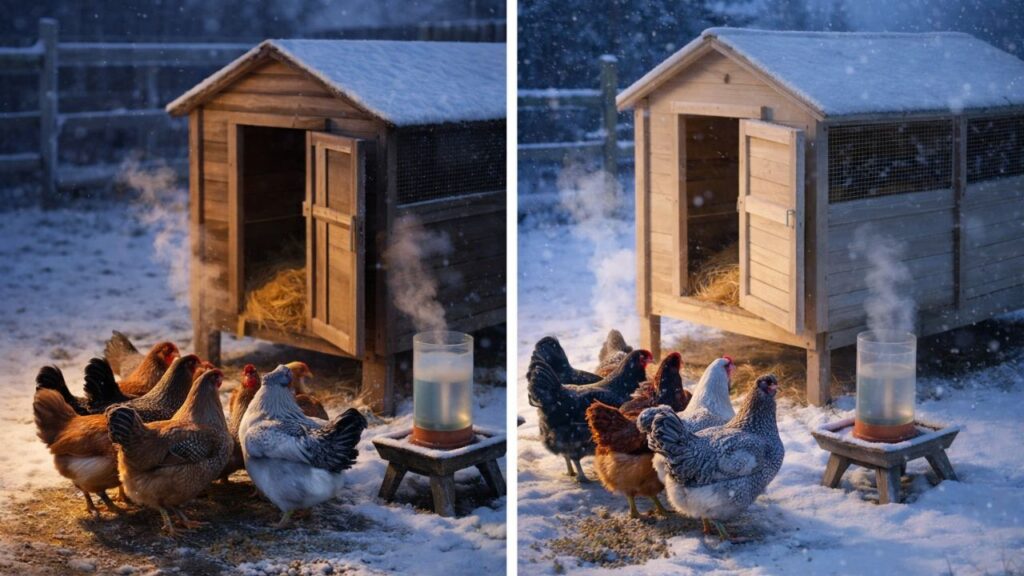
How to Provide Essential Protection for Your Hens in Cold Weather
One of the major challenges of winter is shielding your flock from freezing temperatures while preventing moisture buildup. A well-insulated coop is essential for blocking cold winds but still allowing enough airflow to prevent condensation. Focus on creating a draft-free shelter with adequate insulation and dry bedding layers that absorb moisture. Ventilation is key, as proper airflow helps remove damp air without exposing the hens to chilling drafts. When these elements are properly balanced, your hens can conserve body heat more effectively, reducing stress and boosting their immune systems.
Winter Survival Tips: Food, Water, and Warmth for Your Flock
Cold weather changes the way hens eat, drink, and expend energy. In winter, hens burn more calories to stay warm, so providing high-energy feed becomes crucial for maintaining their body temperature. Ensuring access to unfrozen water is just as important, as dehydration can occur even in cold weather. Consider using heated waterers or insulated water containers to keep water from freezing. Offering scratch grains before nighttime also supports heat production, and checking feeders regularly prevents food waste from freezing. These small but important adjustments can significantly enhance your flock’s winter resilience.

How Winter Preparation Reduces Health Risks for Hens
Winter-related illnesses often arise from damp conditions and prolonged cold stress, not just freezing temperatures. Without proper moisture control, frostbite on combs and toes can develop rapidly. Clean coops are essential for minimizing ammonia buildup, which supports respiratory health during the winter months when windows are kept closed. Regular health checks help spot potential issues early, preventing serious health problems later on. By focusing on preventing illness instead of reacting to it, you can reduce veterinary costs and keep your hens healthy and comfortable throughout the season.

Why Taking Proactive Measures is Crucial for Winter Care
Preparing for winter is not just about keeping your hens comfortable—it’s also about ensuring the long-term stability of your flock. Hens that are well cared for in the winter maintain better laying patterns and stronger immunity. Consistent routines reduce seasonal stress, encouraging steady egg production even during shorter days. Proactive winter care helps build long-term health for your hens, saving time and money in the future. By treating winter as a season to manage rather than endure, you provide your hens with the care and confidence they need to thrive during the cold months.
Winter Risks and How to Prevent Them
| Winter Risk | Common Cause | Recommended Protection | Benefit for Hens |
|---|---|---|---|
| Frostbite | Cold and damp air | Dry bedding and ventilation | Healthy combs and toes |
| Dehydration | Frozen water sources | Heated or insulated waterers | Proper digestion |
| Weight loss | Increased energy use | Higher-calorie feed | Maintained body heat |
| Respiratory issues | Poor air circulation | Balanced airflow | Stronger immunity |